
Art · Chapter 5
A room you enter
The Parthenon, the Pantheon, Hagia Sophia, Chartres, and Brunelleschi’s dome: five buildings where structure, light, and ceremony are the work.
Architecture in this chapter means a building you can still name, date, and walk toward. The Ice Age stones have their own pages.
The Parthenon
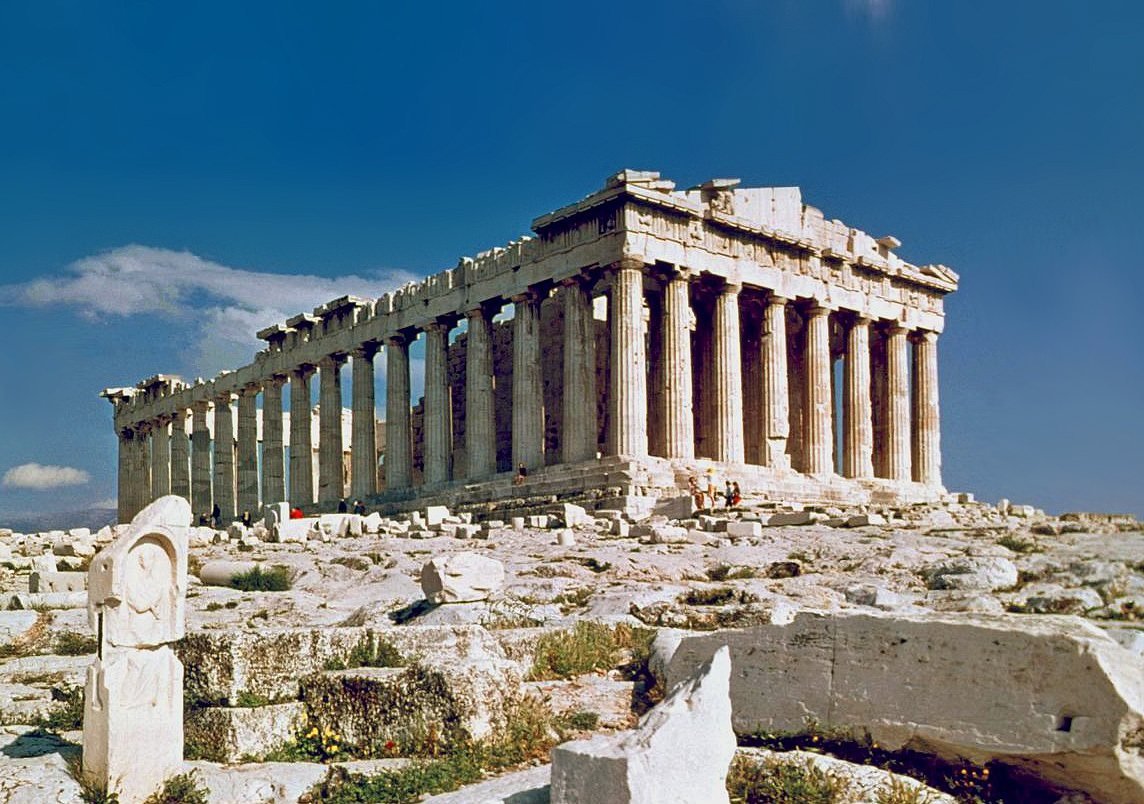
The Parthenon stands on the Acropolis of Athens, built between 447 and 432 BCE in the years of Pericles, as a temple of Athena. Ancient writers name the architects Ictinus and Callicrates, and they tie the sculpture to Phidias. What stands is a ruin of that temple, and also a building that has been a church, a mosque, and a powder magazine that exploded in 1687. UNESCO lists the Acropolis as a whole. The columns, and the slight curves in the platform, are the work. A claim about a lost teacher behind the skill is already being compared with the stones in History.
The Pantheon
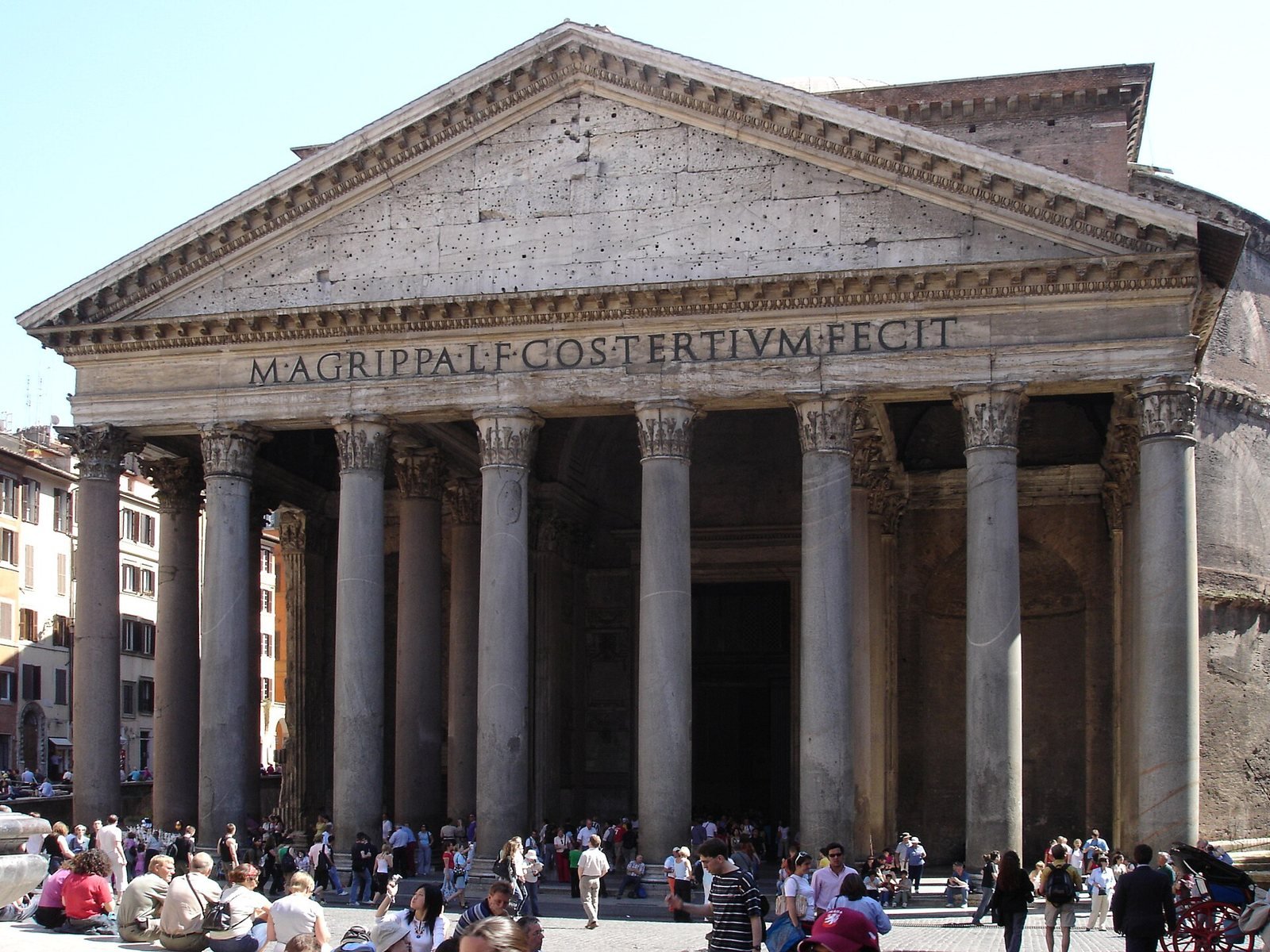
The Pantheon in Rome is the building with the dome and the open eye. The structure standing today is the rebuilding under Hadrian, early in the second century. The inscription on the portico names Marcus Agrippa, from an earlier temple on the site. The dome is Roman concrete, coffered, with an oculus open to the weather. It has been a church since the seventh century, which is a large part of why the roof is still there. UNESCO’s listing is the Historic Centre of Rome. You can still stand under the opening.
Hagia Sophia
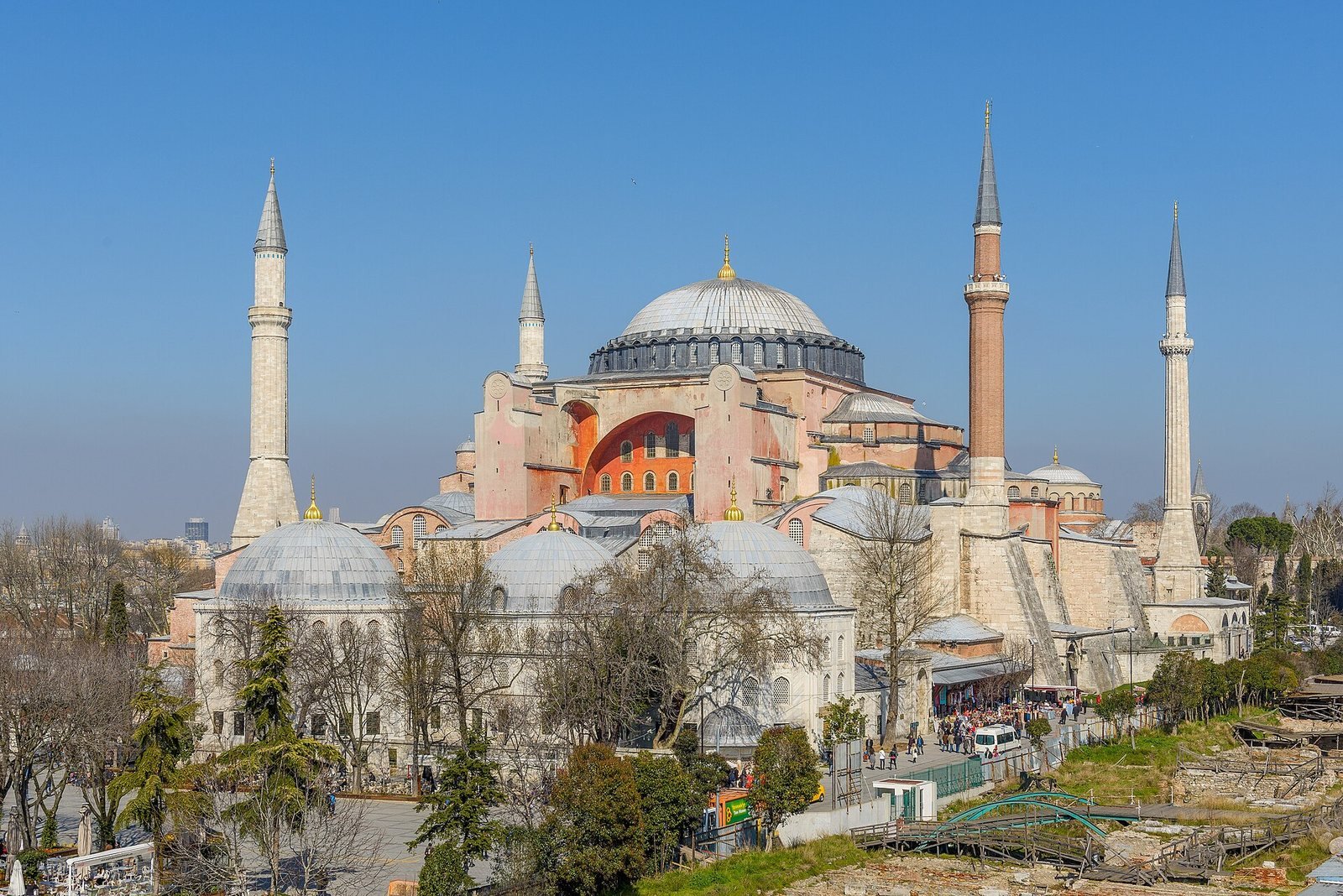
Hagia Sophia in Istanbul was built for the emperor Justinian between 532 and 537. The architects were Anthemius of Tralles and Isidore of Miletus. The problem they solved in masonry is a dome over a square, brought down through pendentives and half-domes. It was a cathedral, a mosque after 1453, a museum for most of the twentieth century, and since 2020 a mosque again. UNESCO lists it within the Historic Areas of Istanbul. The dome is the work. The succession of uses is a history of the city.
Chartres
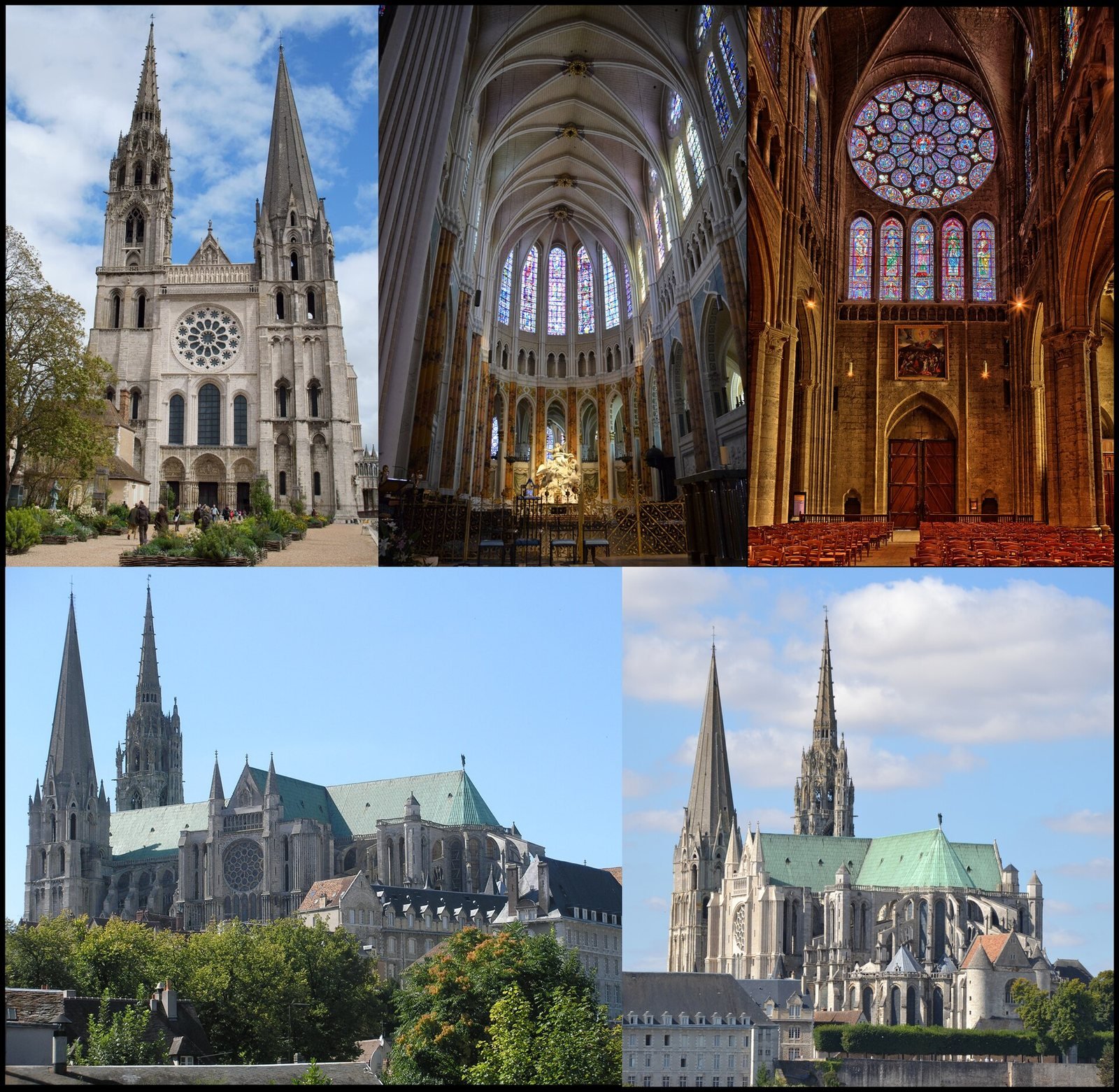
Chartres Cathedral was largely rebuilt after the fire of 1194 and consecrated in 1260. A great share of its twelfth- and thirteenth-century stained glass is still in the windows. The west front keeps an earlier portal. UNESCO lists the cathedral on its own. The glass is the painting of this building: colour you walk under, changing with the hour. The windows set out a biblical and local program for the people who stood in the nave.
Brunelleschi’s dome
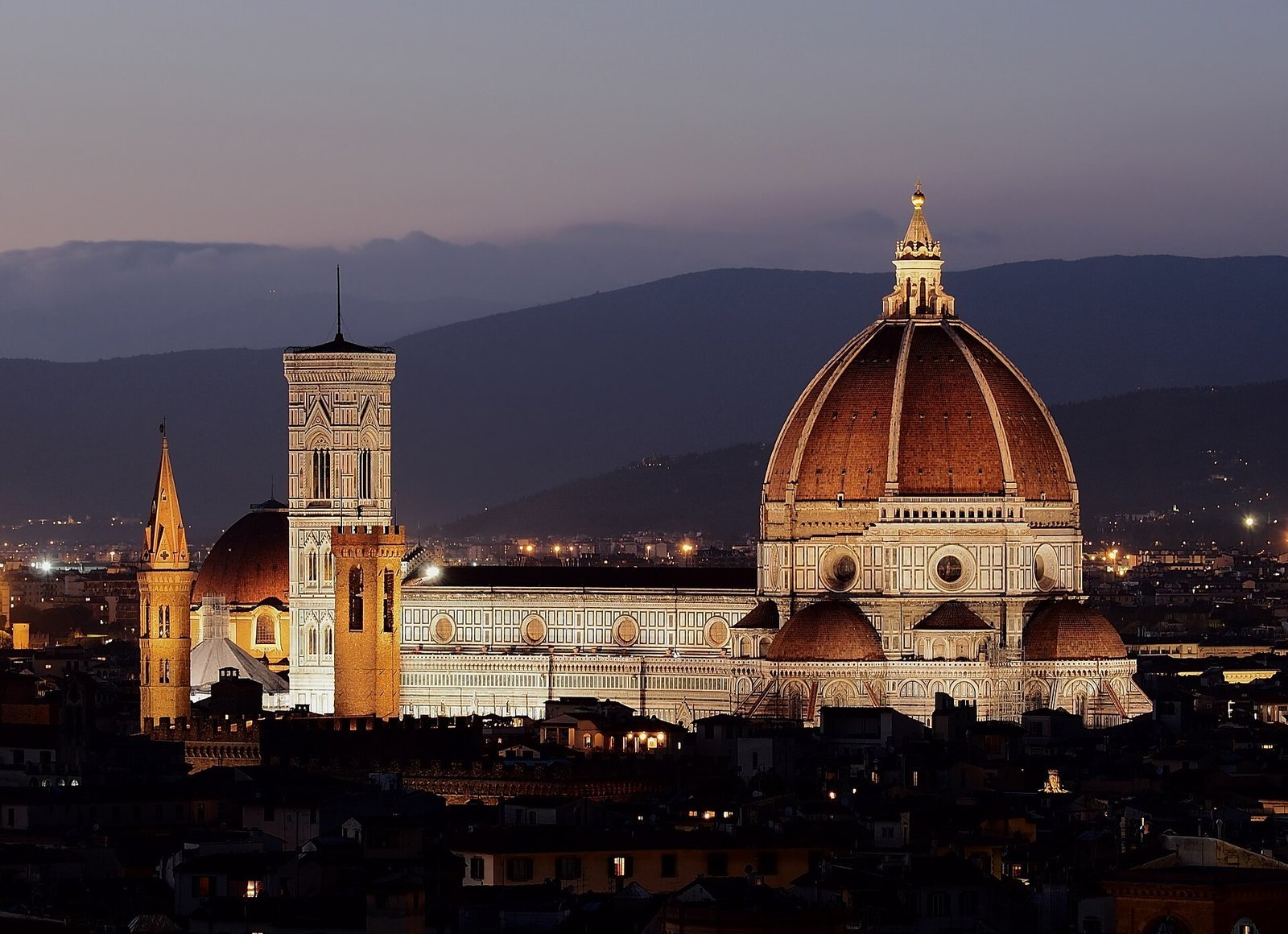
Filippo Brunelleschi raised the dome of Santa Maria del Fiore in Florence between 1420 and 1436. It is a double shell of brick, built out over a span the city had left open because no one would risk a wooden centering across the whole width. The lantern at the crown came after the shell. The cathedral sits inside UNESCO’s Historic Centre of Florence, and the Opera del Duomo keeps the building. Here structure becomes the thing you see: the dome shows how it was possible.
Sources
- UNESCO World Heritage Centre. “Acropolis, Athens.” whc.unesco.org. Accessed 28 October 2026.
- UNESCO World Heritage Centre. “Historic Centre of Rome.” whc.unesco.org. Accessed 28 October 2026.
- UNESCO World Heritage Centre. “Historic Areas of Istanbul.” whc.unesco.org. Accessed 28 October 2026.
- UNESCO World Heritage Centre. “Chartres Cathedral.” whc.unesco.org. Accessed 28 October 2026.
- UNESCO World Heritage Centre. “Historic Centre of Florence.” whc.unesco.org. Accessed 28 October 2026.
- Opera di Santa Maria del Fiore. “The dome of Florence Cathedral.” duomo.firenze.it. Accessed 28 October 2026.