
Aliens · Chapter 1
Beyond human solitude
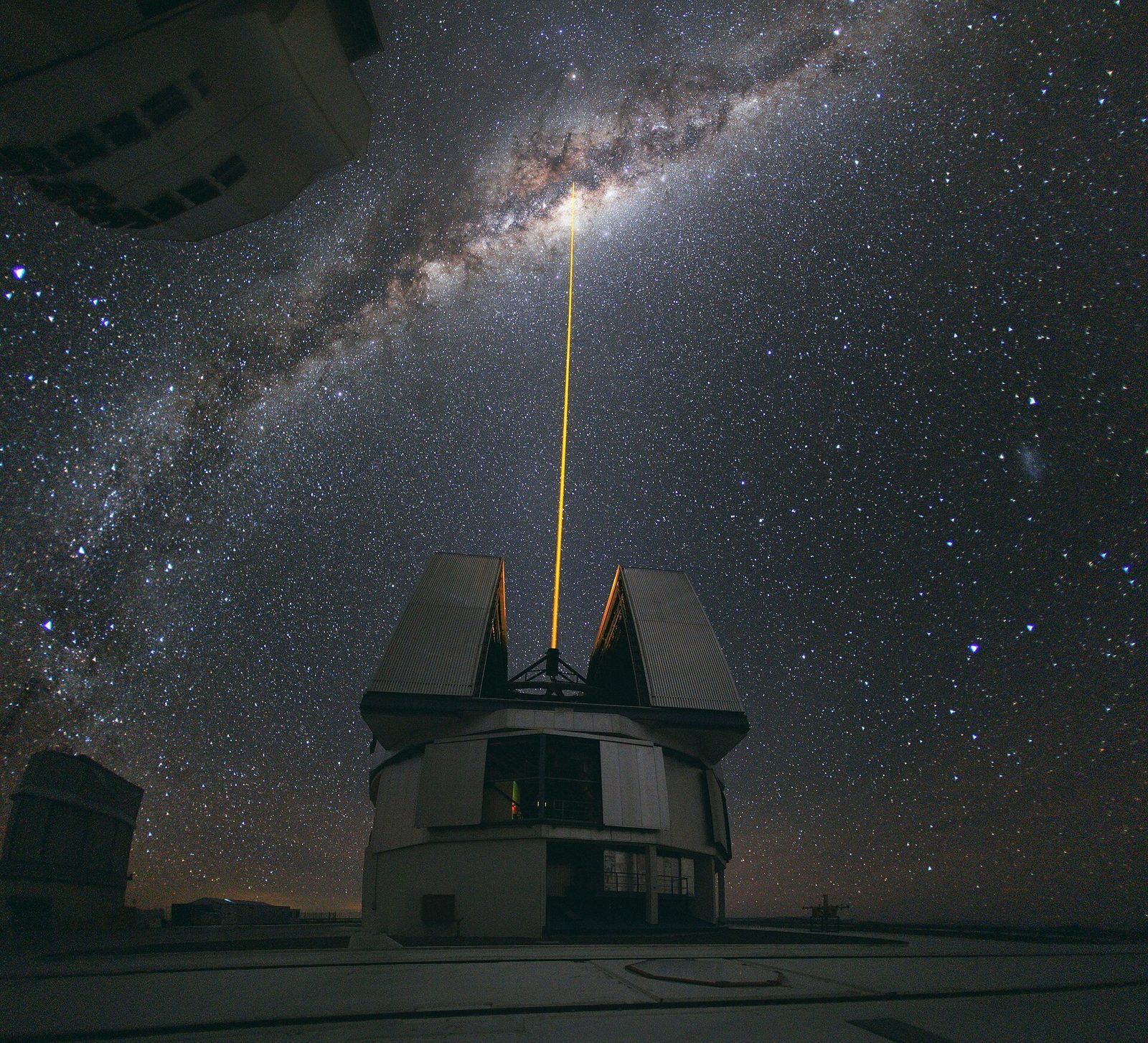
To ask whether we are alone is to ask what sort of universe we inhabit. Is conscious life an isolated event, confined to one planet, or does our experience belong to a much wider unfolding? Could other intelligences have developed different bodies, technologies and ways of understanding existence? And if some have encountered us, would we necessarily recognise the meeting for what it was?
Illustration made for this site. Not a photograph of the claim.
Other worlds, unfamiliar intelligences and humanity’s place in a larger reality
Reviewed 30 October 2026.
These questions reach beyond the image of a spacecraft arriving from another star. They concern the place of humanity within nature, the possibility of minds unlike our own, and the limits of the account of reality we have inherited. They also concern something immediate: what people mean when they say they have seen, experienced or communicated with another intelligence.
This opening chapter establishes the ground for that enquiry. It brings together discoveries about other worlds, the public record of unusual encounters, and perspectives in which consciousness extends beyond ordinary human identity. The task is to understand how these approaches connect, what each contributes, and where their conclusions remain open.
1. A universe with other worlds
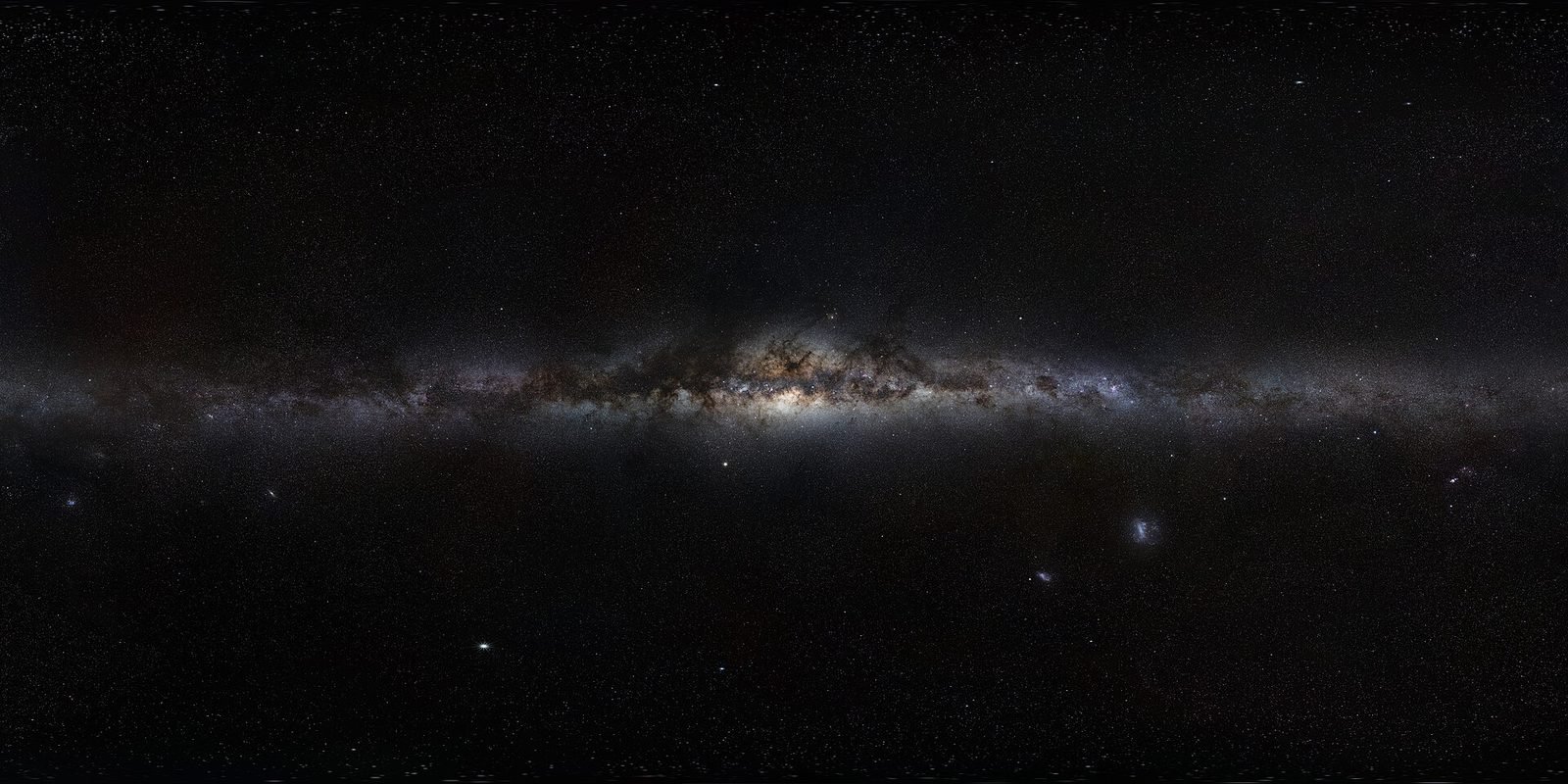
One of the strongest reasons to investigate life beyond Earth is that planets are common. In a major microlensing study published in 2012, Arnaud Cassan and colleagues concluded that stars in the Milky Way typically host planets. Their work helped replace the picture of our Solar System as a potentially exceptional arrangement with one in which planetary systems are widespread. [1]
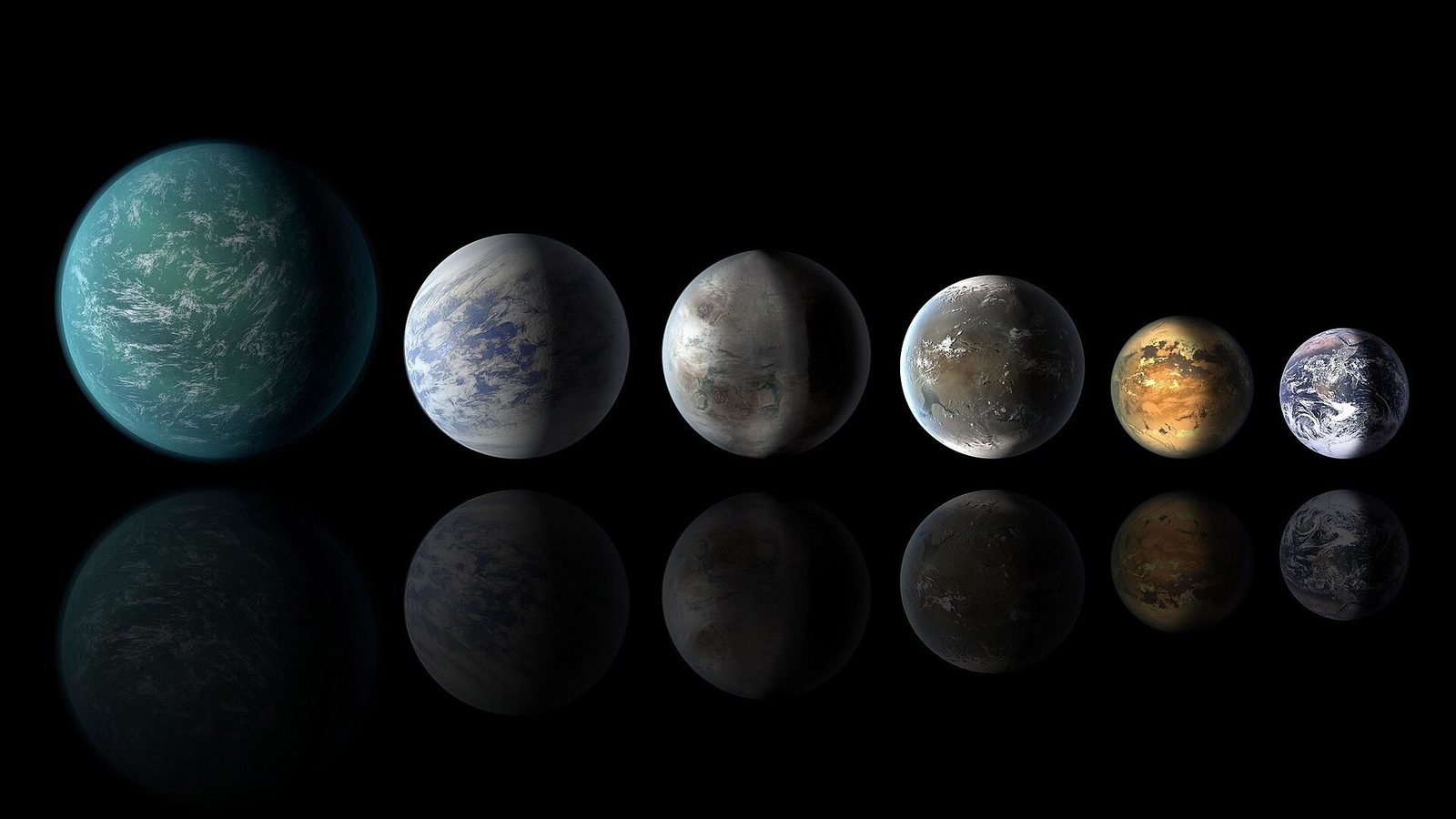
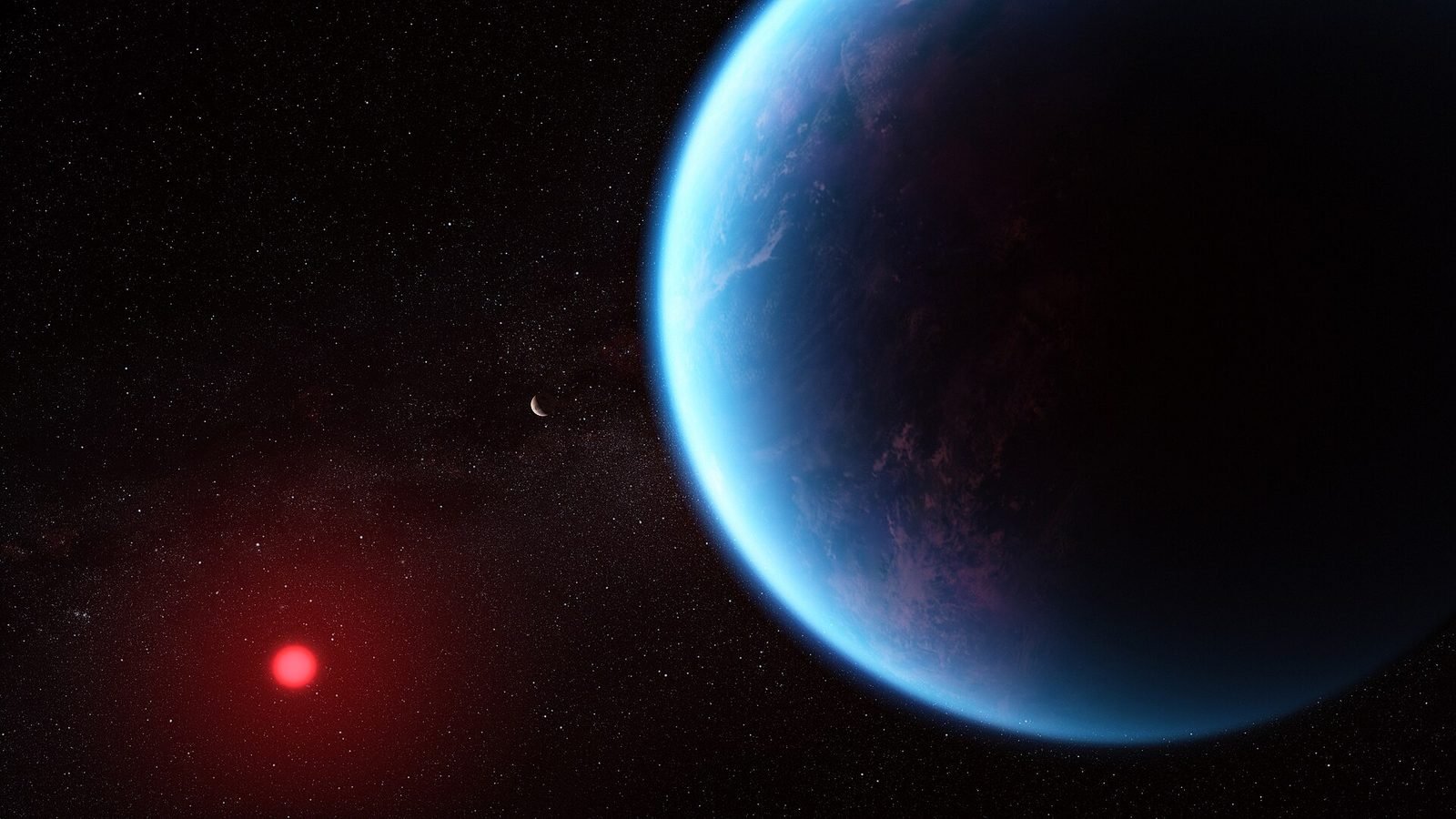
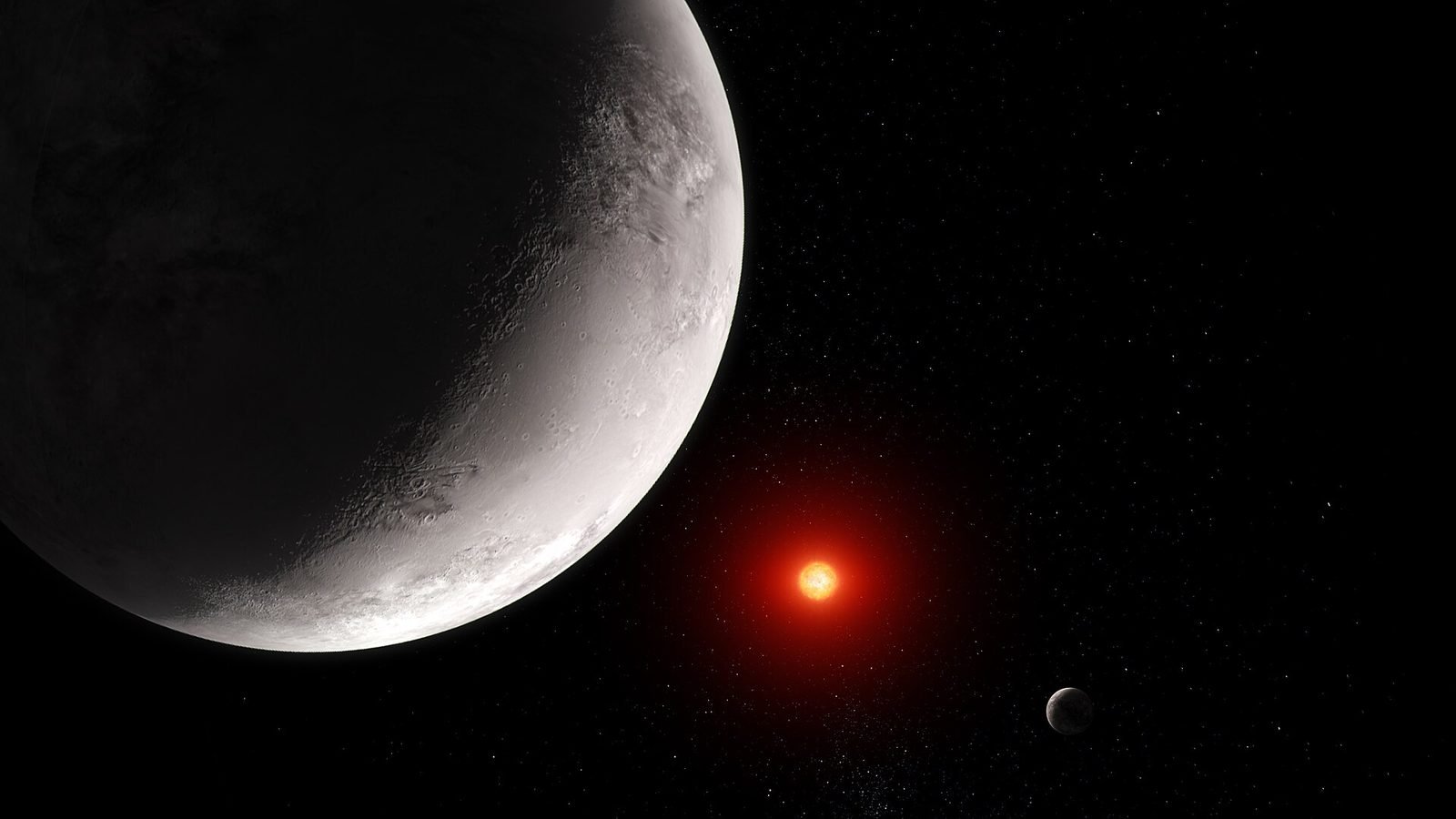
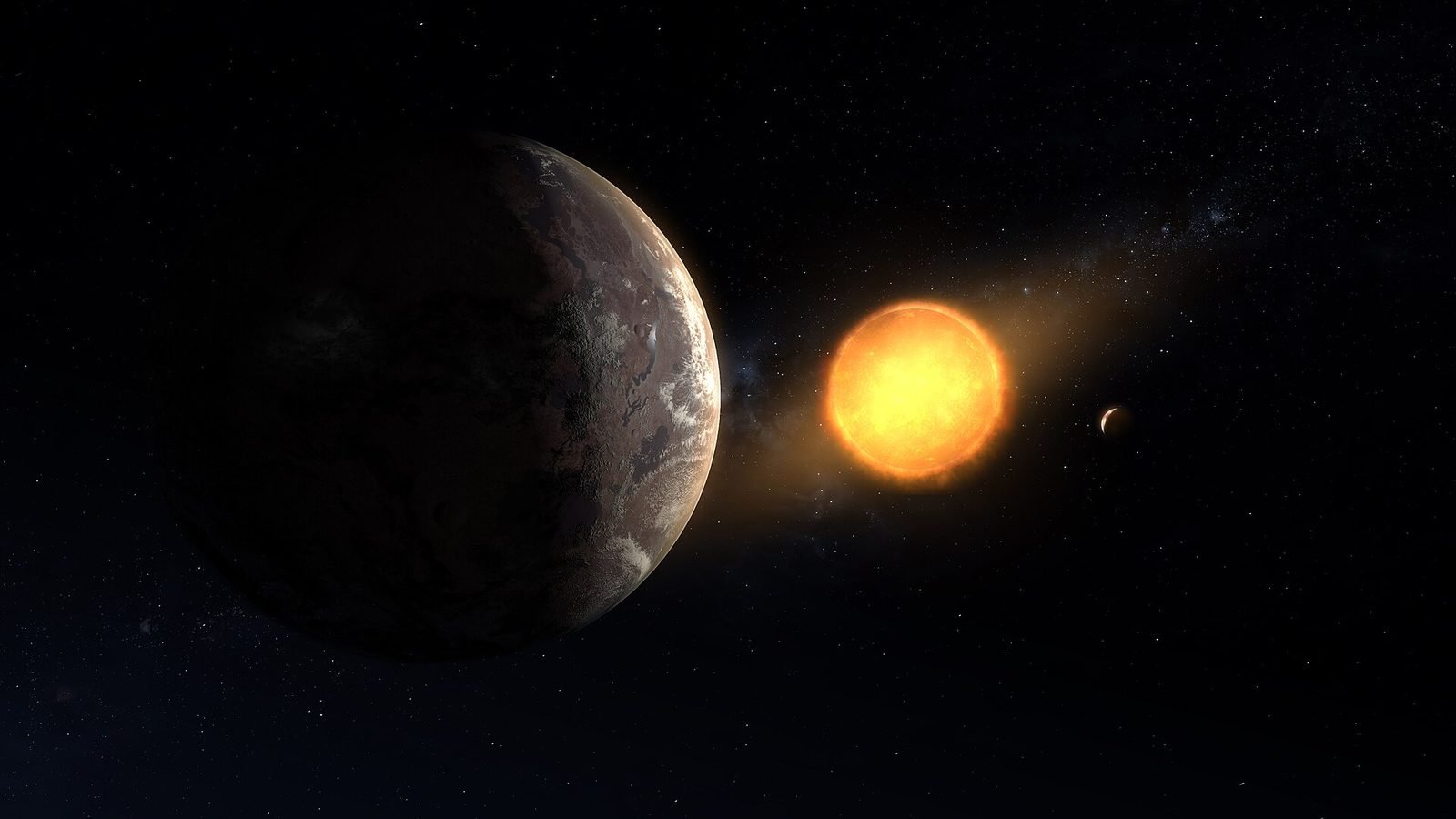
Subsequent discoveries have revealed an extraordinary diversity of planets, including small rocky worlds. Some occupy regions where temperatures could permit surface liquid water under suitable atmospheric conditions. Such a location is a starting point for investigating habitability: the atmosphere, surface environment and history of a world still matter. [2]
Time expands the possibility further. In 2015, Tiago Campante and colleagues reported five small planets orbiting Kepler-444 and estimated the star’s age at approximately 11.2 billion years. The result showed that small planets could form long before Earth. It did not establish that these particular planets were habitable or inhabited. [3]
The broader implication is worth considering. If life has arisen elsewhere, some of its histories could have begun much earlier than ours. A civilisation might therefore be younger than humanity, contemporary with it, or separated from us by an immense period of development. This is a possibility inferred from the available time, rather than evidence that a particular ancient civilisation exists.
Our present technology would then represent one stage in a much larger range of possible capabilities. We can investigate that range without assuming that every imagined capability is physically achievable.

2. From a possible habitat to a living world
The search for life begins closer to home as well as among distant stars. Saturn’s moon Enceladus has an ocean beneath its icy surface. A 2023 study led by Frank Postberg identified sodium phosphates in ice grains sampled by Cassini, providing evidence for the availability of phosphorus in that ocean. Phosphorus is an important ingredient in terrestrial biology. Finding it strengthens the case for investigating the environment; it is not a detection of an organism. [4]
This distinction introduces a sequence of questions. Can an environment sustain life? Does life begin there? Does it persist? Does it develop complex forms, intelligence or technology? Each step adds something that the previous step does not establish.
Earth demonstrates that a universe governed by the conditions we observe can produce living organisms and a technological species. How frequently that happens remains difficult to infer from one known planetary history. David Kipping’s Bayesian analysis of the timing of life and intelligence on Earth illustrates the problem: the circumstances that allow observers to exist also affect the evidence available to those observers. His model gives reasons for qualified optimism about life’s emergence under Earth-like circumstances, while leaving substantial uncertainty about intelligence. [5]
The Drake equation provides a useful way to organise these unknowns. It connects the formation of stars and suitable planets with the emergence of life, intelligence, detectable technology and the length of time such technology remains detectable. Its value lies in identifying the questions that determine an answer. Entering assumed values does not turn the result into a measured census of civilisations. [6]
A large number of possible habitats gives us a substantial reason to search. The next task is to discover which possibilities nature has actually realised.
3. Three questions within “we are not alone”
The expression can refer to different discoveries, each with different consequences.
| Question | What an answer could establish | What would remain to investigate |
|---|---|---|
| Does life exist beyond Earth? | Biology has arisen or survived somewhere else | Whether it is intelligent, technological or connected with humanity |
| Do other technological intelligences exist? | Another source of technological activity | Its location, nature, history and possible awareness of Earth |
| Has another intelligence interacted with us? | A relationship or encounter involving humanity | Its origin, identity, capabilities, intentions and continuity |
An organism found in another world’s ocean would transform our understanding of life. A verified artificial signal from another star would answer a different question. Neither discovery would, by itself, identify an object seen over the Pacific.
The search for technological life already extends beyond listening for voices. Proposed technosignatures include radio or laser signals, industrial chemicals in an atmosphere, and large engineered structures whose effects might be detectable at a distance. These are possible search targets, not discoveries that have already been made. [7]
This distinction also improves our reading of encounter reports. “I saw an object I could not identify,” “I encountered an unfamiliar being,” and “the being came from a particular star system” are progressively more specific propositions. A source may have strong grounds for one and limited grounds for another.
An investigation becomes clearer when it preserves the route from observation to identification.
4. Distance, time and the kind of visitor we imagine
If other technological civilisations exist, why is their presence not obvious?
The question is important, but its answer depends partly on what we expect to notice. A search examines particular locations, times, frequencies and signal strengths. A non-detection constrains the kinds of signals that the search could have found.
In a quantitative study published in 2018, Jason Wright, Shubham Kanodia and Emily Lubar examined the completeness of several radio searches within a defined, multidimensional search space. They found that the fraction explored was very small under their model. This was an assessment of those searches and assumptions, not a timeless percentage describing every search conducted since. It shows why silence must be interpreted in relation to the reach of the listening. [8]
Travel raises a related question. Interstellar distances are enormous, and an account of travel across them must confront requirements for energy, time, navigation and survival. Yet imagining a visitor only as a biological passenger in a piloted craft may be unnecessarily restrictive.
Humanity already sends machines where human beings cannot readily go. Voyager 1, launched in 1977, crossed the heliopause into interstellar space in 2012. It has not reached another stellar system. Its journey nevertheless provides a concrete example of a technological object travelling beyond its home planetary environment without carrying a living crew. [9]
By analogy, an encounter with another civilisation’s technology could involve a probe, an instrument or some form of autonomous system. Such a possibility does not demonstrate that a reported object is one. It broadens the question of what a technological encounter might look like.
The same care applies to proposals involving unusual propulsion, spacetime or other modes of existence. An unfamiliar observation may motivate a new explanation. The explanation still needs a mechanism or a distinctive prediction that can be examined.
The reasonable position is to investigate both our constraints and our assumptions about the traveller.
5. The question comes closer: encounters on Earth
The encounter literature asks whether another intelligence may already be interacting with this planet. It begins with particular events and people, rather than estimates of how many civilisations might exist.
There is a public record to examine. On 27 April 2020, the U.S. Department of Defense authorised the release of three Navy videos associated with observations in 2004 and 2015. Its statement authenticated their Navy provenance and described the phenomena as unidentified at that time. It did not identify their origin as extraterrestrial. [10]
Testimony can describe an encounter more extensive than the released footage. In his 2023 written statement to Congress, David Fravor described observing a white, elongated object during a November 2004 flight from USS Nimitz. He reported unusual movement above disturbed water, no familiar wings or visible propulsion, and a rapid departure. His statement also discusses shipboard information and a recording made on a subsequent flight. These parts of the account have different observers and different evidential roles. [11]
The value of the case lies partly in its possibilities for further checking: separately recorded crew accounts, operational records and original sensor material could be compared. The claims are specific enough to ask what records would support or challenge them.
NASA’s 2023 independent study identified serious limitations in available UAP information, including missing metadata, inadequate calibration and the scarcity of coordinated observations. It reported no conclusive scientific evidence of extraterrestrial origin and called for better collection and analysis, including reduced reporting stigma. Its remit was to recommend a scientific approach, rather than adjudicate every historical encounter. [12]
Two tasks therefore proceed together: investigate potentially significant reports and improve the evidence with which they can be understood. Public curiosity becomes more useful when it leads back to the original event, its records and its unresolved details.
The next chapter takes that step: who saw what, and how could each person know it?
Senior officials have made a stronger claim
The enquiry also includes explicit claims of concealed non-human technology by people with relevant government experience. This is a significant development in the public record, beyond the existence of unidentified images. The Age of Disclosure brings that position before a wider audience. [25]
One central participant, former Defense Department official Luis Elizondo, stated to Congress in November 2024 that advanced technologies made by no government were monitoring military sites, that the United States and adversaries possessed UAP technology, and that secrecy concealed a continuing arms race. These are consequential, attributable allegations requiring investigation. They should not disappear into the weaker summary that officials merely acknowledge unexplained lights. [26]
Senior political voices also identify questions they cannot yet answer. In her April 2023 Senate opening statement, Kirsten Gillibrand described evidence of advanced characteristics while saying the objects' makers, origins and operation were unknown. Her position joins concern about capability to a demand for access and analysis. [27]
These statements matter because their authors occupied positions relevant to receiving reports, investigating programmes or demanding oversight. Their importance does not depend on treating an individual statement as the conclusion of the whole government. The course will preserve the strongest versions of the claims and follow the evidence each would require.
NASA UAP report media briefing
6. A question larger than one country
The record extends beyond the United States. France’s GEIPAN, within the national space agency CNES, publishes an investigative classification that distinguishes cases lacking adequate information from cases that remain unexplained after investigation. It also allows cases to be reconsidered when new information becomes available. This is an important distinction: uncertainty can arise from missing evidence or from evidence that has resisted the explanations examined so far. [13]
Brazil’s National Archives preserves records of its own encounters and investigations. Its account of the events of 19 May 1986 describes unidentified lights detected by air-defence radar and aircraft sent to investigate. Those records make the episode accessible as a historical and operational subject, while its ultimate interpretation requires examination of the underlying evidence. [14]
In the United States, the National Archives has established a dedicated UAP records collection following the 2024 National Defense Authorization Act. The collection provides a growing route to records that can be inspected independently. [15]
The history of secrecy also deserves examination. CIA historian Gerald Haines described misleading public explanations used to protect classified reconnaissance flights. That is evidence of a particular form of concealment involving human programmes. Whether another programme concealed nonhuman technology is a separate proposition requiring its own support. [16]
These records establish an international history of reporting, investigation and information management. They give us concrete material through which to examine what institutions observed, how they responded and what they made available. They do not permit every government, agency or official to be treated as possessing one shared body of knowledge.
7. What if the question also concerns consciousness?
Some of the supplied perspectives place contact within a larger account of consciousness. Their proposals deserve to be understood in their own terms before connections are made with physical encounters.
In the Law of One, the communicating voice called Ra presents existence as an underlying unity expressed through many beings and experiences. The philosophical emphasis is on how consciousness relates to itself through apparently separate lives. The development of understanding and the use of freedom are central to this picture. [17]
Ra’s account also includes a proposed identity and history. Session 6 associates Ra’s earlier development with Venus and describes a journey to Earth through thought. This belongs to the channelled source’s cosmology; the transcript records the account without independently establishing that journey. [18]
Darryl Anka presents another form of proposed contact. In his own account, unusual sightings preceded an experience he understood as telepathic communication with Bashar, followed by public channelling from 1983. Anka also explicitly acknowledges that he cannot prove Bashar’s existence to other people and accepts that listeners may interpret the source as part of his own consciousness. He places considerable importance on the usefulness of the information. [19]
Lyssa Royal’s contact work extends the enquiry into the relationship between awareness and encounter. Her own description includes proposed extraterrestrial, interdimensional and nonphysical intelligences, alongside contact with other terrestrial species. She treats preparation, experience and the development of consciousness as central parts of the work. These are her stated aims and interpretations. [20]
A related distinction appears in Yogananda’s Autobiography of a Yogi. Chapter 43 describes Sri Yukteswar’s account of astral and causal existence, including a realm called Hiranyaloka. Its subject is the soul’s development and liberation within a spiritual cosmology. The account should retain that meaning; it is not an astronomical observation identifying a physical exoplanet. [21]
Together, these perspectives widen the enquiry. Could an encounter involve forms of awareness that our ordinary model of a separate individual does not adequately describe? Could a physical event and an unusual state of consciousness be related? Could an experience be profoundly meaningful while its proposed external source remains uncertain?
These questions invite both philosophical investigation and carefully designed observation. The apparent autonomy of a communicating presence is something a person can report. Establishing its independence, identity or location requires further support.
The possibility of a wider consciousness therefore remains available for examination. It should produce clearer questions about experience and evidence.
8. Why older traditions belong in the enquiry
Graham Hancock provides a bridge between modern encounter reports and older accounts of unfamiliar beings. In a 2005 interview concerning Supernatural, he compared shamanic presences, fairy traditions and contemporary alien encounters, proposing that different cultures may be interpreting a related phenomenon through different frameworks. This is Hancock’s comparative hypothesis, rather than an identification established by the similarities alone. [22]
The question is substantial. When people describe an otherworld journey, altered time, an apparently intelligent presence or knowledge received in an unusual state, what exactly recurs? Is it the event, the way a human mind experiences it, the cultural language through which it is understood, or some combination?
A useful comparison begins with the earliest available account. It asks which details were recorded, how the text was translated, what the original community understood by them and which details entered through later interpretation.
That process leaves room for discovery. A similarity that survives attention to context becomes more informative. A similarity produced by a modern paraphrase tells us something about the paraphrase.
Older traditions can therefore contribute more than decorative quotations. They may help reveal continuity in experience, show how interpretations change, or challenge an overly narrow expectation of what contact would involve.
9. When an overlap becomes evidence
An overlap matters when it helps distinguish between possible explanations.
Two accounts agreeing on a broad theme contribute less than accounts independently recording the same unusual detail. A description preserved before an event can be more informative than one adapted after publicity. A witness’s account that agrees with independently recorded measurements can support a proposition in ways that repeated interviews cannot.
The word “independent” requires attention. Lyssa Royal has described Darryl Anka as a friend and mentor. That relationship does not determine the truth of either source, but it means their agreements cannot automatically be counted as information arising in isolation. [23]
The same principle applies elsewhere. Several journalists may report one informant. Multiple videos may contain the same testimony. Witnesses to one event may discuss it before being interviewed. Agreement can be important while its source remains shared.
For this course, comparisons will therefore ask:
- What exact detail is shared?
- When was it first recorded?
- Could the sources have influenced one another?
- How likely is the agreement under competing explanations?
- What further observation would make the connection stronger or weaker?
This is how the proposal that overlaps reveal a higher level of truth becomes an investigation. We identify the proposition being strengthened, rather than allowing one shared detail to validate an entire cosmology.
A resemblance in reported craft behaviour might support a common technical question while leaving the occupants unknown. Agreement about spiritual responsibility might establish an ethical convergence while leaving the proposed history unverified.
10. The possibility of several kinds of encounter
There is no requirement that every report have the same cause.
The material gathered for this course includes observations of lights, apparent objects, instrument tracks, unusual experiences, alleged conversations and accounts of hidden programmes. Some questions concern physical identification. Others concern memory, interpretation, access to information or the nature of consciousness.
Several causes could coexist. An ordinary explanation for one recording would be a useful finding about that recording. A well-supported anomaly would deserve attention in its own right. Neither result would automatically settle every other case.
The vocabulary should preserve these distinctions. “UAP” is a description of an unresolved observation, not a species name. “Extraterrestrial” proposes an origin. “Nonhuman intelligence,” as used in this course, concerns a proposed agent whose identity needs examination. It does not imply that every unfamiliar event is intelligent, or that every intelligence would be biological.
Ideas such as future humanity, parallel realities or other dimensions will be considered as hypotheses. Their usefulness depends on whether they clarify the evidence and lead to observations that could distinguish them from alternatives.
11. What would change if contact were established?
The consequences would depend on the discovery.
A distant microbial biosphere would change the question of how widely life arises. A technological signal would introduce another history of intelligence. A continuing encounter with an intelligence capable of interacting here would raise more immediate questions about knowledge, power, communication and consent.
No representative would necessarily speak for an entire civilisation. Technological competence would not, by itself, establish wisdom or benevolence. The information a visitor supplied would need to be evaluated alongside its behaviour and the consequences of the relationship.
For a university concerned with life and consciousness, this is also an educational question. How do human beings approach an intelligence they cannot easily categorise? Can wonder coexist with judgement? Can we learn without surrendering responsibility for what we accept and do?
The possibility of other intelligence invites humility about the limits of human understanding. It also calls for care in how we treat people who report unusual experiences. Listening accurately, preserving evidence and allowing conclusions to change are practical expressions of that care.
Contact, if established, would enlarge our field of relationship. Its meaning would unfold through how that relationship was lived.
12. Beginning with what can be understood
We can begin with several substantial points. Planetary systems are widespread, and scientific searches now investigate both possible biology and technological activity. Encounter reports and official records supply a different body of material, closer to Earth. Spiritual and channelled perspectives introduce further questions about consciousness and identity.
These strands are worth bringing together. Their connections need to be demonstrated at the level of particular observations and claims.
As checked for this chapter on 29 October 2026, NASA’s public FAQ states that it has not found credible evidence of extraterrestrial life or evidence establishing UAP as extraterrestrial. That is a statement of NASA’s published assessment, not an independently exhaustive account of every experience or every potentially withheld record. [24]
This course proceeds through the material that can be examined. It will follow the strongest cases, test the overlaps, preserve disagreements and identify what would move a possibility towards a better-supported conclusion.
The opening question remains larger than a demand for one spectacular image: what forms of intelligence may exist, what relationships may already be possible, and how can we learn to recognise them accurately?
Next lesson: Who saw what? Return to the observers, their accounts and the evidence associated with each encounter.
Questions for reflection
- Which meaning of “we are not alone” matters most to you: other life, another technological civilisation, direct encounter or a wider consciousness?
- What evidence would distinguish those possibilities?
- How might assumptions about a visitor’s body, motives or technology limit the enquiry?
- Which overlap would you most like to investigate, and what would establish that its sources were independent?
- What finding would lead you to revise your present view?
References and source notes
Sources were checked on 29 October 2026. These notes identify the passages consulted, the type of source and the limits of its use here. Page numbers refer to the source’s printed numbering unless identified as PDF pages. Interpretive connections and hypothetical consequences in the chapter are the author’s reasoning.
1. Planets are common
Cassan, A., Kubas, D., Beaulieu, J.-P., et al. (2012). “One or more bound planets per Milky Way star from microlensing observations.” Nature, 481, 167–169.
DOI: https://doi.org/10.1038/nature10684 Record and abstract: https://pubmed.ncbi.nlm.nih.gov/22237108/ Locator: Abstract and the reported planetary-occurrence conclusion. Type: Original observational research. Use: Planetary occurrence; does not measure the frequency of life. Publisher-indexed material and bibliographic record checked; full paper not independently audited.
2. Habitable worlds as search targets
NASA Science (n.d.). “Are We Alone?”
URL: https://science.nasa.gov/exoplanets/search-for-life/ Locator: “Just Getting Started” and “More Questions than Answers.” Type: Official scientific overview. Use: Diversity of exoplanets and the distinction between potential habitability and detected life.
3. Small planets in an ancient system
Campante, T. L., Barclay, T., Swift, J. J., et al. (2015). “An Ancient Extrasolar System with Five Sub-Earth-size Planets.” The Astrophysical Journal, 799, article 170.
DOI: https://doi.org/10.1088/0004-637X/799/2/170 Institutional record and abstract: https://repository.fit.edu/apss_faculty/285/ Locator: Abstract; Kepler-444 age estimate of 11.2 ± 1.0 billion years. Type: Original observational research. Use: Early formation of small planets; no inference that these planets hosted life. Institutional abstract checked.
4. Phosphorus in Enceladus’s ocean
Postberg, F., Sekine, Y., Klenner, F., et al. (2023). “Detection of phosphates originating from Enceladus’s ocean.” Nature, 618, 489–493.
DOI: https://doi.org/10.1038/s41586-023-05987-9 Article: https://www.nature.com/articles/s41586-023-05987-9 Locator: Abstract; “Results”; analysis of phosphate-bearing ice grains. Type: Original spacecraft-data and laboratory research. Use: Chemical conditions relevant to habitability, not a life detection. Publisher-indexed abstract and results checked; entire dataset not reanalysed.
5. Life’s timing and observer selection
Kipping, D. (2020). “An objective Bayesian analysis of life’s early start and our late arrival.” Proceedings of the National Academy of Sciences, 117, 11995–12003.
DOI: https://doi.org/10.1073/pnas.1921655117 Author manuscript: https://arxiv.org/abs/2005.09008 Locator: Abstract and conclusions. Type: Original theoretical analysis. Use: Model-dependent inference from Earth’s chronology. It is not a measured universal probability of life or intelligence.
6. Organising the unknowns
Berkeley SETI Research Center (n.d.). “The Drake Equation.”
URL: https://seti.berkeley.edu/drake/ Locator: Equation and definitions of its seven factors. Type: Scientific research-centre explanatory resource. Use: The structure of the estimation problem; no assumed numerical answer adopted here.
7. Searching for technology
NASA Science (n.d.). “Searching for Signs of Intelligent Life: Technosignatures.”
URL: https://science.nasa.gov/universe/search-for-life/searching-for-signs-of-intelligent-life-technosignatures/ Locator: Opening explanation and examples involving radio, lasers, atmospheric chemicals and engineered structures. Type: Official overview of research approaches. Use: Proposed detection targets, not confirmed detections.
8. The scope of a search
Wright, J. T., Kanodia, S., and Lubar, E. G. (2018). “How Much SETI Has Been Done? Finding Needles in the n-Dimensional Cosmic Haystack.” The Astronomical Journal, 156, article 260.
DOI: https://doi.org/10.3847/1538-3881/aae099 Author manuscript: https://arxiv.org/abs/1809.07252 Locator: Abstract; defined search-space model. Type: Original quantitative methodological research. Use: Limits of specified radio searches within a model; not a current total of all SETI work.
9. An uncrewed technological traveller
NASA Science (n.d.). “Voyager 1.”
URL: https://science.nasa.gov/mission/voyager/voyager-1/ Locator: “What is Voyager 1?” and mission timeline. Type: Official mission record. Use: Launch and heliopause crossing; no suggestion Voyager has reached another star.
10. The Navy recordings
U.S. Department of Defense (27 April 2020). “Statement by the Department of Defense on the Release of Historical Navy Videos.”
URL: https://www.defense.gov/News/Releases/release/article/2165713/statement-by-the-department-of-defense-on-the-release-of-historical-navy-videos/ Locator: Complete short release. Type: Primary government statement. Use: Release, provenance and classification wording at that date. Indexed statement text checked; it does not establish extraordinary performance or origin.
11. Fravor’s account
Fravor, D. (26 July 2023). “David Fravor Statement for the House Oversight Committee.”
Statement: https://docs.house.gov/meetings/GO/GO06/20230726/116282/HHRG-118-GO06-Wstate-FravorD-20230726.pdf Hearing repository: https://docs.house.gov/Committee/Calendar/ByEvent.aspx?EventID=116282 Locator: Statement, pp. 1–2; visual encounter and subsequent-flight recording. Type: First-person written testimony with attributed operational information. Use: What Fravor reports. It does not provide a publicly reproducible reconstruction of the entire event.
12. Scientific investigation of UAP
NASA UAP Independent Study Team (14 September 2023). Unidentified Anomalous Phenomena: Independent Study Team Report. Chair: David Spergel.
Report: https://science.nasa.gov/wp-content/uploads/2023/09/uap-independent-study-team-final-report.pdf Study page: https://science.nasa.gov/uap/ Locator: Executive Summary; “Work Products: Discussion,” especially printed pp. 25 and 29–30, corresponding to PDF pages 27 and 31–32. Type: Scientific advisory report. Use: Data limitations, reporting and investigation recommendations. Selected relevant passages checked; not an adjudication of every case.
13. France’s case classifications
GEIPAN / CNES (n.d.). “Classification.”
URL: https://www.cnes-geipan.fr/en/node/58787 Locator: “A classification methodology consolidated over decades” and FAQ question 8. Type: Primary institutional methodology. Use: Distinguishing insufficient information from unexplained-after-investigation cases. No percentage is adopted as a timeless statistic.
14. Brazil’s 1986 records
Arquivo Nacional, Brazil (15 August 2017; updated 28 October 2020). “Série Relatos Extraterrestres.”
URL: https://www.gov.br/arquivonacional/pt-br/canais_atendimento/imprensa/noticias/serie-relatos-extraterrestres Locator: Account of 19 May 1986 and the associated archive reference. Type: National archive’s presentation of its holdings. Use: Historical reporting and military response; original radar data have not been independently reconstructed for this chapter.
15. Records available for scrutiny
U.S. National Archives and Records Administration (n.d.). “Records Related to Unidentified Flying Objects (UFOs) and Unidentified Anomalous Phenomena (UAPs) at the National Archives.”
URL: https://www.archives.gov/research/topics/uaps Locator: “Record Group 615: Unidentified Anomalous Phenomena Records Collection.” Type: Primary archival guidance. Use: Existence, legislative basis and release process of the collection; not verification of every assertion preserved in a record.
16. A documented history of concealment
Haines, G. K. (1997). “CIA’s Role in the Study of UFOs, 1947–90.” Studies in Intelligence. Reproduced by the Federation of American Scientists.
URL: https://sgp.fas.org/library/ciaufo.html Locator: Paragraphs concerning U-2/OXCART flights, public explanations and protected reconnaissance capabilities. Type: CIA institutional historical analysis, consulted through a reproduction. Use: Specific concealment involving human technology. Its retrospective numerical estimates are not used here.
17. Unity in the Ra material
L/L Research (15 January 1981). The Law of One, Session 1.
Transcript: https://www.lawofone.info/s/1 Locator: Questions 1.7 and 1.10. Type: Primary channelled text, transcribed and published. Use: Ra’s stated philosophy. The source establishes what is taught, not the independent identity of the speaker.
18. Ra’s proposed origin and mode of travel
L/L Research (24 January 1981). The Law of One, Session 6.
Transcript: https://www.lawofone.info/s/6 Locator: Questions 6.4–6.6. Type: Primary channelled text. Use: The source’s own Venus and thought-travel account; not confirmed planetary history or a demonstrated travel mechanism.
19. Anka’s account and stated limit
Anka, D. / Bashar Communications (n.d.). “About Darryl Anka.”
URL: https://www.bashar.org/darryl-anka Locator: “How It All Began,” “Learning to Channel” and “On a Personal Note.” Type: First-person account and source self-description. Use: Anka’s reported experiences, start of public channelling and explicit acknowledgement that he cannot prove Bashar’s existence.
20. Lyssa Royal’s approach to contact
Royal Holt, L. (n.d.). “What is Contact Work?”
URL: https://www.lyssaroyal.net/what-is-contact-work.html Locator: “Introduction” and “The Purpose.” Type: Practitioner’s original account of aims and practices. Use: Her experiential framework. Claims of results on the page are not adopted as independently verified findings.
21. A yogic account of other realms
Yogananda, Paramahansa (1946). Autobiography of a Yogi, Chapter 43, “The Resurrection of Sri Yukteswar.”
Book record: https://www.gutenberg.org/ebooks/7452 Full text: https://www.gutenberg.org/cache/epub/7452/pg7452-images.html Locator: Chapter 43; search within the text for “Hiranyaloka.” Type: Primary spiritual autobiography and attributed dialogue. Use: Its astral/causal cosmology; not astronomical confirmation. Selected passages checked in the Gutenberg text.
22. Comparing visionary and encounter traditions
Taylor, G., interviewing Graham Hancock (1 October 2005). “The Supernatural World of Graham Hancock.” Originally published in Sub Rosa; reproduced on Hancock’s official website.
URL: https://grahamhancock.com/the-supernatural-world-of-graham-hancock/ Locator: Interview question beginning “One of the great parts of the book…” and Hancock’s answer concerning Vallée, fairies, shamanic beings and aliens. Type: Primary interview for Hancock’s interpretation. Use: The comparative hypothesis; no endorsement of the interview’s unrelated scientific claims.
23. A relationship relevant to source independence
Royal Holt, L. (March 2021). “A Conversation with Lyssa Royal-Holt and Bashar (through Darryl Anka).” Sedona Journal.
URL: https://sedonajournal.com/march-2021/conversation-lyssa-royal-holt-and-bashar-through-darryl-anka Locator: Public introductory paragraph describing the event of 12 December 2020. Type: First-person statement about a professional/personal relationship. Use: The introduction, not the subscription-only full conversation.
24. NASA’s published position at the review date
NASA Science (n.d.; checked 29 October 2026). “UAP FAQs.”
URL: https://science.nasa.gov/uap/faqs/ Locator: Questions 1, 4 and 5. Type: Current institutional public position. Use: What NASA says about evidence and study limitations; not a finding concerning every potentially inaccessible record.
Dan Farah (director, 2025), The Age of Disclosure, official description.
https://www.theageofdisclosure.com/about-the-film
Locator: Production description and stated participant count. Source type: Primary filmmaker description. Use and limits: Identifies the documentary’s framing; individual contributors do not automatically endorse every assertion.
Luis Elizondo (2024), written testimony, “Unidentified Anomalous Phenomena: Exposing the Truth”, 13 November.
https://oversight.house.gov/wp-content/uploads/2024/11/Written-Testimony-Elizondo.pdf
Locator: Pp. 1–2, technology, possession, programme and intimidation claims. Source type: Named witness’s statement to Congress. Use and limits: A distinct, attributable public statement by a central film participant. Its allegations are not presented as findings adopted by Congress.
Kirsten Gillibrand (2023), prepared opening statement at the Senate UAP hearing, 19 April.
Locator: Prepared remarks on advanced characteristics, unknown origin, sensor data and reporting. Source type: Senator’s official public statement. Use and limits: An independently attributable policy statement by a film participant. It demands investigation; it does not identify extraterrestrial occupants.